Close Menu
    Facebook X (Twitter) Instagram Threads
    FinPulse
    • Home
    • Markets
    • World Markets
    • Business
    • Economy
    • Forex
    • Gold & Commodities
    • IPO
    • Crypto
    • 𝕏
    Facebook X (Twitter) Instagram
    FinPulse
    Home»Gold & Commodities»Gold Prices Explained: Demand, Supply and the Role of Interest Rates
    Gold & Commodities

    Gold Prices Explained: Demand, Supply and the Role of Interest Rates

    adminBy adminNovember 3, 2026No Comments2 Mins Read
    Facebook Twitter Pinterest LinkedIn Tumblr Email
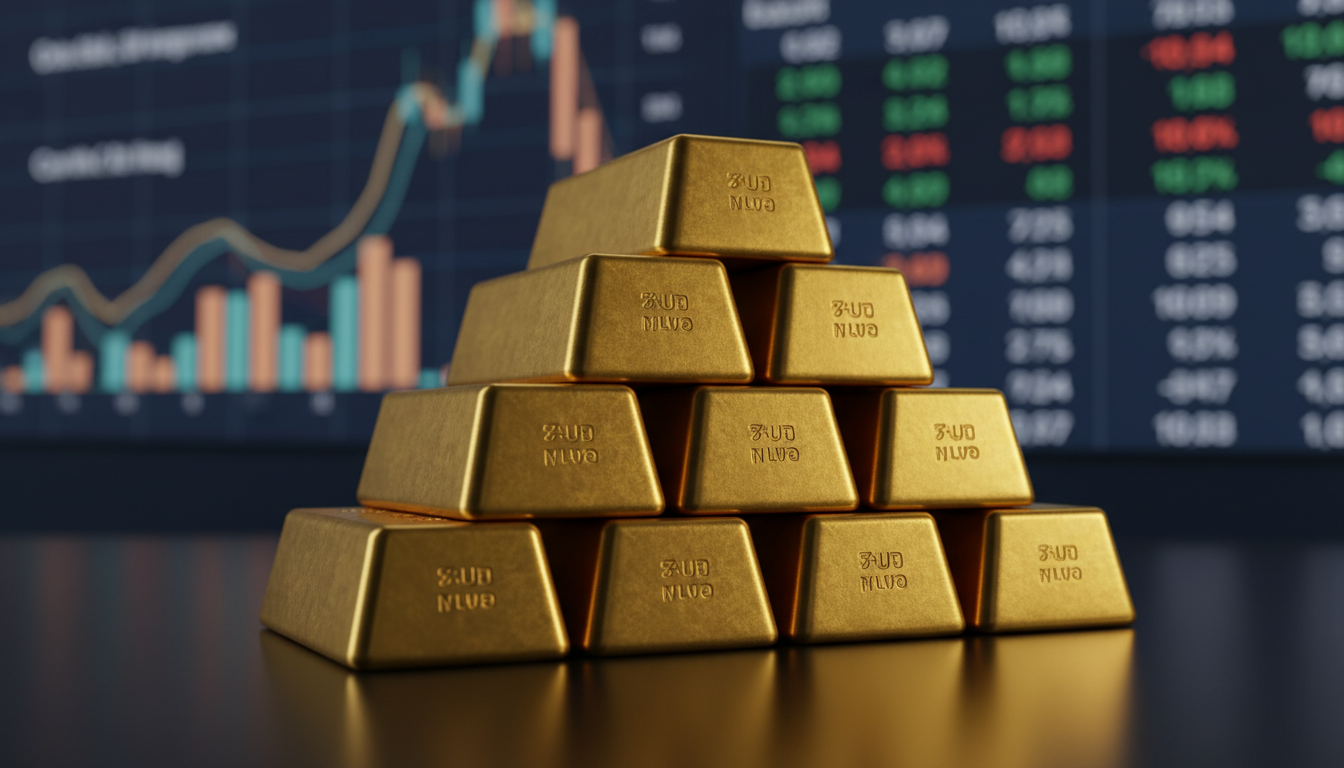
    Gold and commodities: bullion and raw materials
    Share
    Facebook Twitter LinkedIn Pinterest Email

    Gold is traded globally and its price can respond to several forces at once. Jewellery and technology demand, investment activity, central-bank reserves, currency movements and interest-rate expectations can all influence the market. No single factor explains every price movement.

    Consumer and industrial demand

    Jewellery is an important source of gold demand in many markets. Gold is also used in selected industrial and technological applications. Demand changes with household incomes, prices, cultural preferences and the needs of manufacturers.

    Investment and central-bank activity,Investors may hold gold through bars, coins, exchange-traded products or other instruments. Central banks also hold gold as part of their reserves. Changes in holdings and investment flows can affect market balance, but reported demand data should be read with their definitions and time periods.

    Interest rates and opportunity cost

    Gold does not pay interest or dividends. When yields on some interest-bearing assets rise, the opportunity cost of holding gold may increase, although currency moves, risk sentiment and other forces can offset this relationship. Real yields and nominal yields are different measures.

    Currency and local price differences,International gold prices are commonly quoted in US dollars. The local-currency price also reflects exchange rates, import duties, taxes, transport and local market conditions. A change in the rupee can therefore affect Indian prices even when the international dollar price is stable.

    F

    u

    Share. Facebook Twitter Pinterest LinkedIn Tumblr Email
    admin
    • Website

    Related Posts

    Silver and Industrial Commodities: Why Demand Can Be Cyclical

    November 3, 2026

    Comments are closed.

    LATEST NEWS

    • Digital asset market screens and abstract blockchain network
      Blockchain Networks Explained: Layers, Consensus and ApplicationsNovember 3, 2026
    • Digital asset market screens and abstract blockchain network
      Stablecoins Explained: Reserves, Pegs and Redemption RisksNovember 3, 2026
    • IPO: company listing and stock exchange
      Reading an IPO Prospectus: Risks, Financials and Promoter DisclosuresNovember 3, 2026
    • IPO: company listing and stock exchange
      IPO in India: Fresh Issue, Offer for Sale and Use of ProceedsNovember 3, 2026
    • Gold and commodities: bullion and raw materials
      Silver and Industrial Commodities: Why Demand Can Be CyclicalNovember 3, 2026
    Facebook X (Twitter) Instagram Pinterest
    • About Us
    • Our Mission
    • Our Principles
    • Contact Us
    • Privacy Policy
    • Terms & Conditions
    • Financial Disclaimer
    • Cookie Policy
    • Editorial Policy
    • Corrections Policy
    • 𝕏
    © 2026 ThemeSphere. Designed by ThemeSphere.

    Type above and press Enter to search. Press Esc to cancel.